
Robotics Industrial Automation
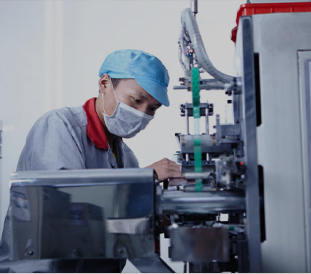
Robotics and automation are transforming industries globally. In production, robots perform repetitive tasks such as assembly, packaging and quality control. Automation reduces errors, increases production and lowers operating costs. AI-powered robots can also handle decision-making tasks, such as sorting products or managing inventory, further increasing efficiency.
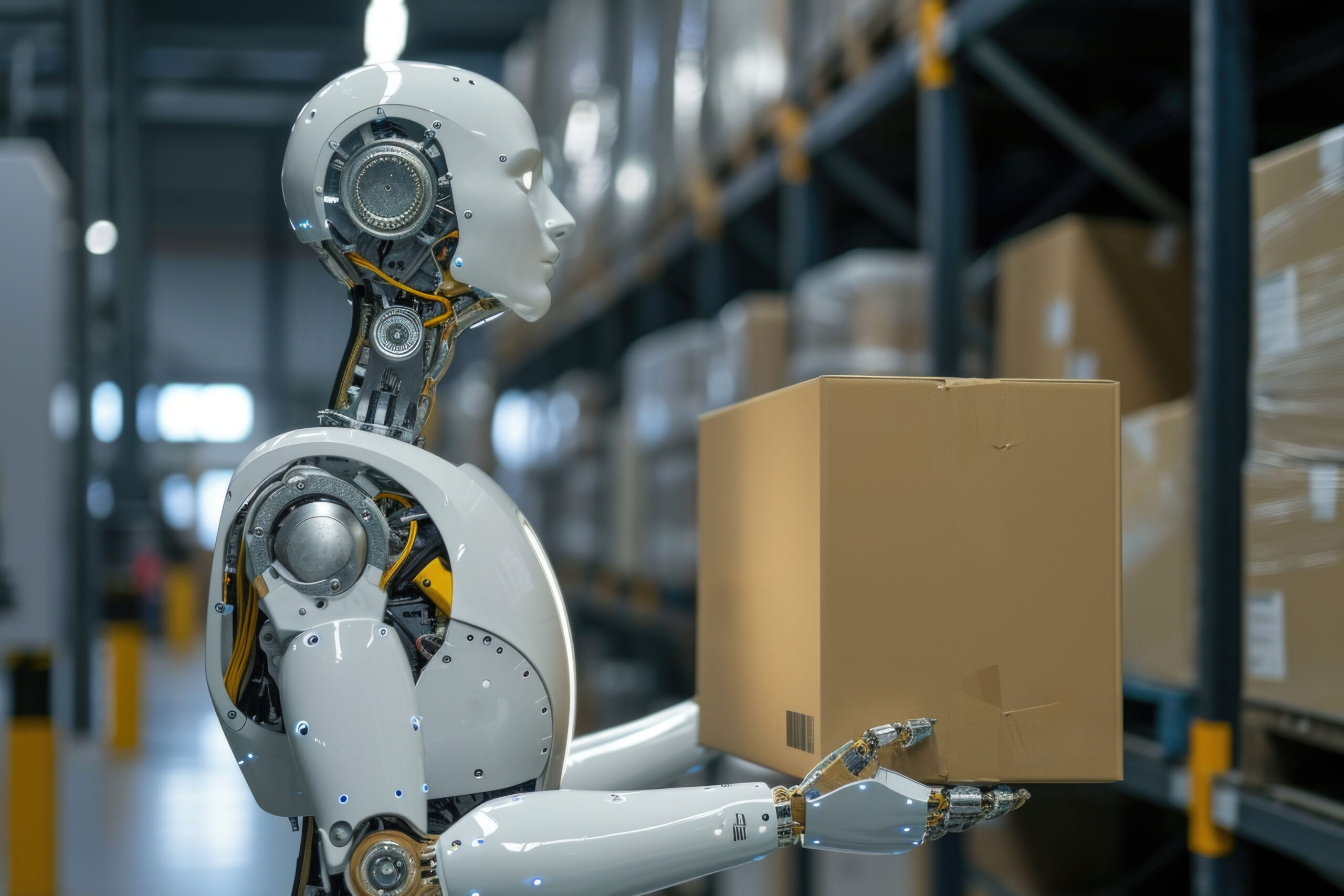
Industries such as logistics, healthcare and retail are adopting automation technologies. Warehouse robots and automated delivery systems are becoming standard, improving efficiency while reducing labor costs. Companies use robotics to remain competitive in global markets while maintaining high quality standards.
Future Trends and Challenges
While robotics greatly increases productivity, it also presents challenges, especially in the area of employment. Many traditional jobs are evolving or becoming obsolete as automated systems take over repetitive or labor-intensive tasks. This change requires workers to learn new skills and adopt collaborative workflows where humans and robots work side by side. Training and continuous learning are becoming crucial for employees to remain competitive in the changing labor market.
Safety is another important concern in environments where humans and robots work together. Correct protocols, advanced sensors and smart design are essential to prevent accidents and ensure a safe workplace. Manufacturers must prioritize human-robot interaction safety as automation becomes more widespread.
Looking ahead, the future of robotics will include collaborative robots (cobots), autonomous delivery systems, and AI-powered machines capable of learning and adapting to their surroundings. These technologies will continue to transform industries, improving efficiency, reducing errors and enabling faster production cycles. Robotics is evolving beyond just a tool; It is now an important driver of industrial innovation and economic growth. As its use expands, organizations that thoughtfully integrate robotics will gain a competitive advantage while fostering safer, smarter, and more productive work environments.