
Smart farming and better productivity
The Internet of Things (IoT) is improving agriculture. Farmers use smart devices to monitor crops and soil conditions. Sensors collect data on temperature, humidity and weather. This data helps farmers make better decisions. They can irrigate crops at the right time and use resources efficiently. This improves the quality of the crop and reduces wastage.
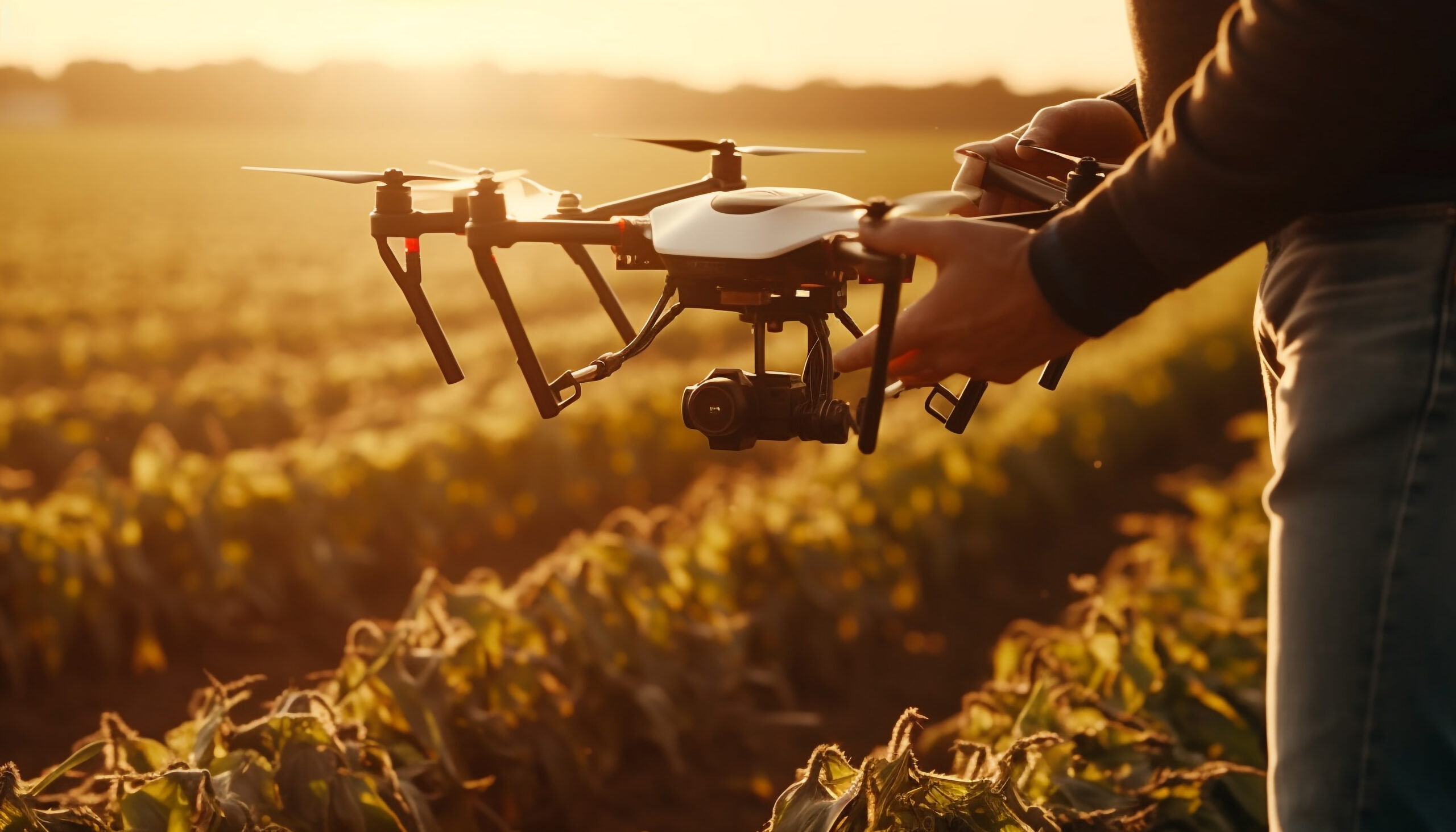
IoT is also used to monitor livestock. Farmers can track animal health and location using smart devices. This improves agricultural management and reduces losses. Drones are also part of smart farming. They take pictures of fields and help farmers identify problems quickly.
Challenges and future IOT prospects
IoT in agriculture offers many advantages. This reduces physical work and increases work efficiency. Farmers can manage larger farms with less effort.
Despite its many advantages, IoT in agriculture faces several challenges. Most IoT devices require a stable Internet connection to function effectively. In rural areas, connectivity can be limited or unreliable, making it difficult for farmers to use smart devices consistently. In addition, the cost of IoT equipment can be high even for small-scale farmers. Sensors, smart irrigation systems and drones require investment, which may not be affordable for everyone.
The second challenge is technical knowledge. Farmers must understand how to use and maintain this equipment. Without proper training, the full potential of IoT technology cannot be achieved. Data security is also a concern, as the devices collect large amounts of sensitive information about farms and crops.
Despite these obstacles, IoT adoption in agriculture is growing rapidly. Governments, private companies and agricultural officials support smart farming initiatives. Subsidies, training programs and affordable technology options are helping more farmers implement IoT solutions.
In the future, IoT will play a major role in agriculture worldwide. This will help farmers make better decisions, increase productivity, reduce waste and contribute to global food sustainability. Smart agriculture is set to become an essential part of modern agriculture.
Overall, IoT makes farming smarter and more efficient.