
Introduction
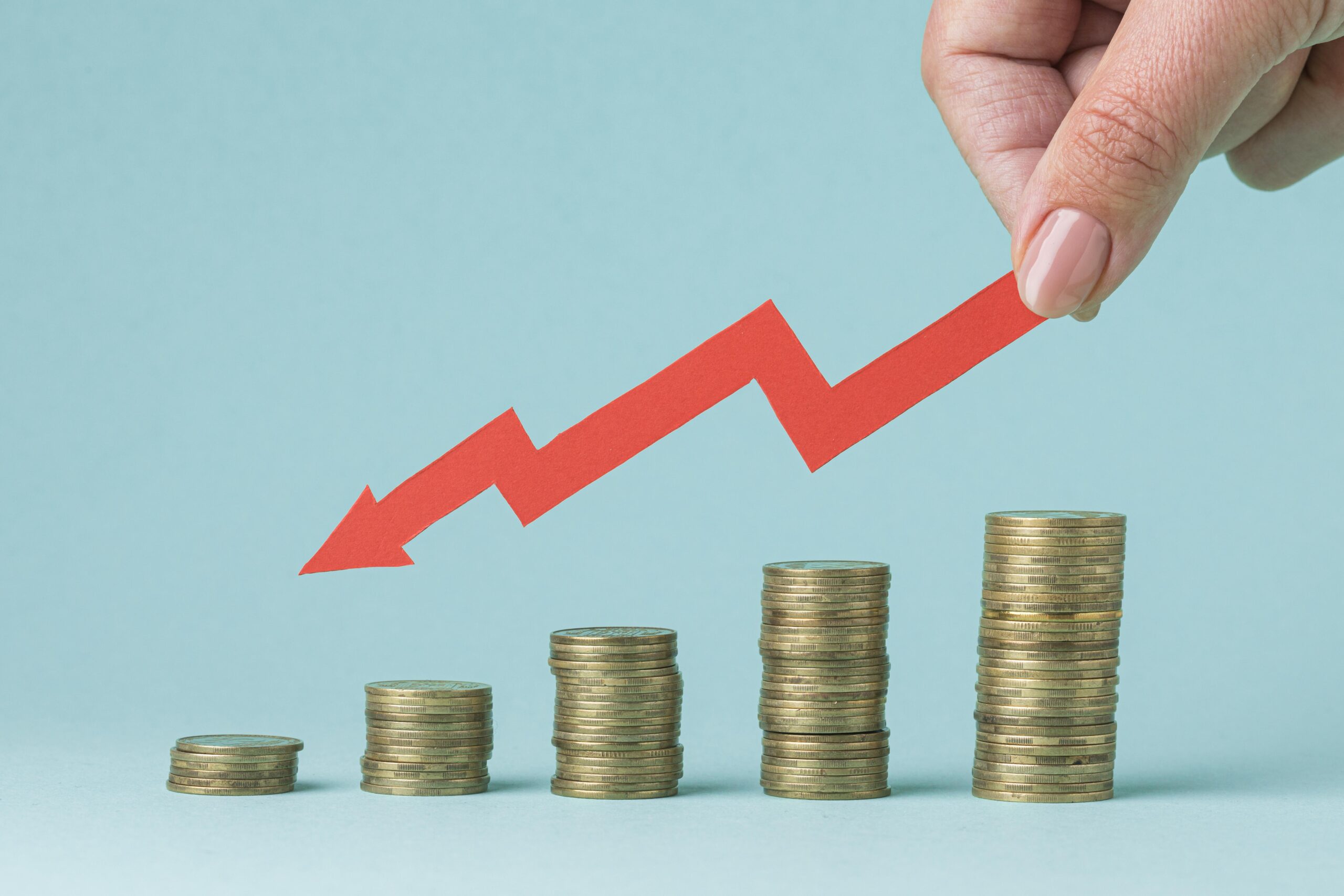
Inflation is one of the most important factors in the international economy. It affects fees, savings and investments. In 2026, it shows signs of improving after several difficult years. However, challenges remain.
Global inflation trend in 2026
In 2026, global inflation is projected to round up between 3.7% and 3.8%. This is lower than in previous years. It was much higher in 2022 and 2023 due to supply chain issues and rising energy costs.
This decline indicates that the banks concerned are slowly bringing it under control. Interest rate regulations and improved distribution chains play key roles.
However, it is still slightly above the better target of two% in many countries.
Inflation in Major Economies
United States
The US keeps improving. Rising costs is around 2.4%. The economy remains strong and consumer spending is strong. Primary Financial handles interest costs carefully to keep them away from other spikes.
Europe
Europe has made appropriate progress in controlling inflation. It is now below 2% in many international locations. Low energy tariffs and tight supply chains helped ease the strain.
China
Inflation in China is very low, close to 1%. This is mainly due to the sensitivity of customer demand. While low costs sounds reasonable, it may also signal a slow monetary recovery.
India
Inflation in India is between 4% and five%. Call on food costs and keeping inflation to affect cars. But the financial system continues to develop at a healthy pace.
Pakistan
Pakistan’s inflation is higher compared to major economies. In 2026, it is expected to stay in the 8% to 12% range. The economy is improving slowly, but challenges remain.
Inflation in 2026: Key Reasons
Energy Value
Energy costs remain the most important component. Oil and fuel costs have increased due to global stress. Higher gasoline prices affect transportation and production.
geopolitical conflict
Conflict affects supply chains in certain parts of the world. This leads to higher prices for goods and offers.
Food Prices
The weather and delivery problems are pushing food prices higher. This especially affects developing international locations.
Interest rate subsidies
Central banks used better interest rate costs to control inflation. This reduces costs and increases returns.
Impact on people and business
- Inflation affects everyday life in many different ways. Moderate inflation can also reduce purchasing power.
- People may additionally discover that it’s harder to keep cash.
- For companies, higher costs can reduce profit margins. Companies can also raise fees, which affects buyers.
- Investors also need to adjust their strategies. Inflation can affect stock markets, bonds, and other assets.
What to expect in the future?
Experts believe that inflation will continue to slow. By 2027, global Rising costs could fall closer to a few.4%.
However, there are risks anyway. Rising oil prices or new conflicts could boost inflation once again. Governments and important banks must live carefully.
Conclusion:
In 2026, global inflation will improve, but not always fully prevail. The general mood is in any case, but uncertainty remains.
At TradingBlogsHere, we aim to help you understand complex economic issues in a simple way. Knowing about it can help you make better economic choices.