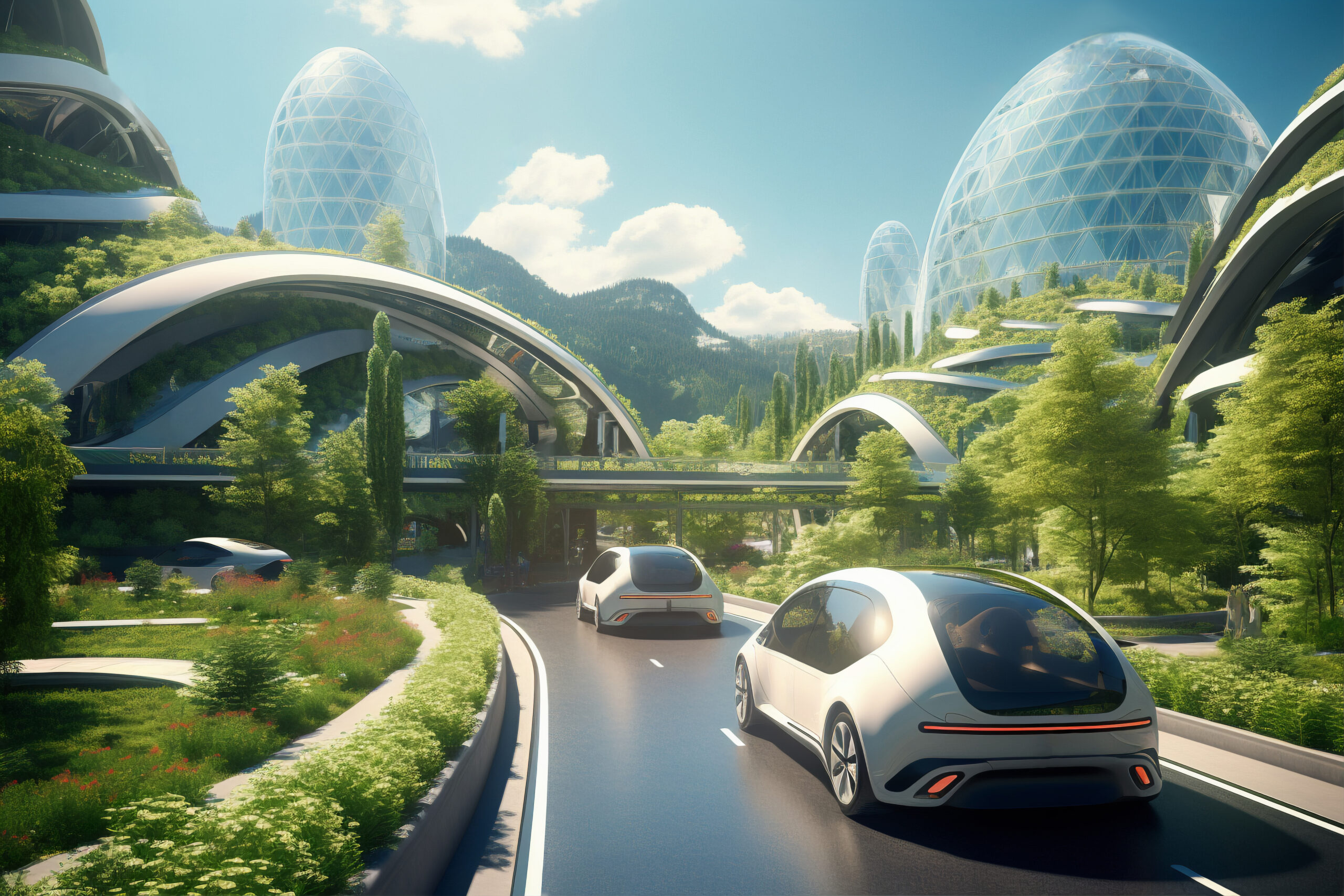

Growth of Electric Vehicles
Electric vehicles (EVs) are reshaping the automotive industry in 2026. With advances in battery technology, electric vehicles now offer longer range, faster charging and better overall performance. Major car manufacturers such as Tesla, Rivian and Ford produce vehicles designed for both efficiency and style. Governments around the world are encouraging the use of electric cars with subsidies, tax breaks and the expansion of infrastructure including charging stations on highways and in urban areas.
The environmental impact is significant. Electric cars produce lower carbon emissions than petrol-powered cars, resulting in cleaner air and reduced greenhouse gas levels. Consumers are becoming increasingly aware of sustainability, and demand for green alternatives is increasing. Electric cars are also being integrated with smart energy grids, so that vehicles can send energy back to the grid when needed.
Green Tech and Sustainability
Green technology extends beyond electric cars. Solar panels, wind turbines and advanced energy storage systems are becoming cheaper and more efficient. Companies invest in renewable energy solutions to reduce operating costs and carbon footprint. Battery recycling programs are also emerging that address resource sustainability concerns.
Challenges remain, especially with regard to obtaining scarce materials for batteries and handling end-of-life disposal. However, innovation continues to reduce these limitations, and new research focuses on alternative materials and sustainable production methods.
Overall, electric cars and green technology pave the way for a cleaner and more sustainable future. The combination of innovative vehicles, renewable energy and environmentally conscious policies will redefine the transport and energy industry. By adopting these changes, society can achieve both economic and environmental benefits.