
interactive and engaging learning
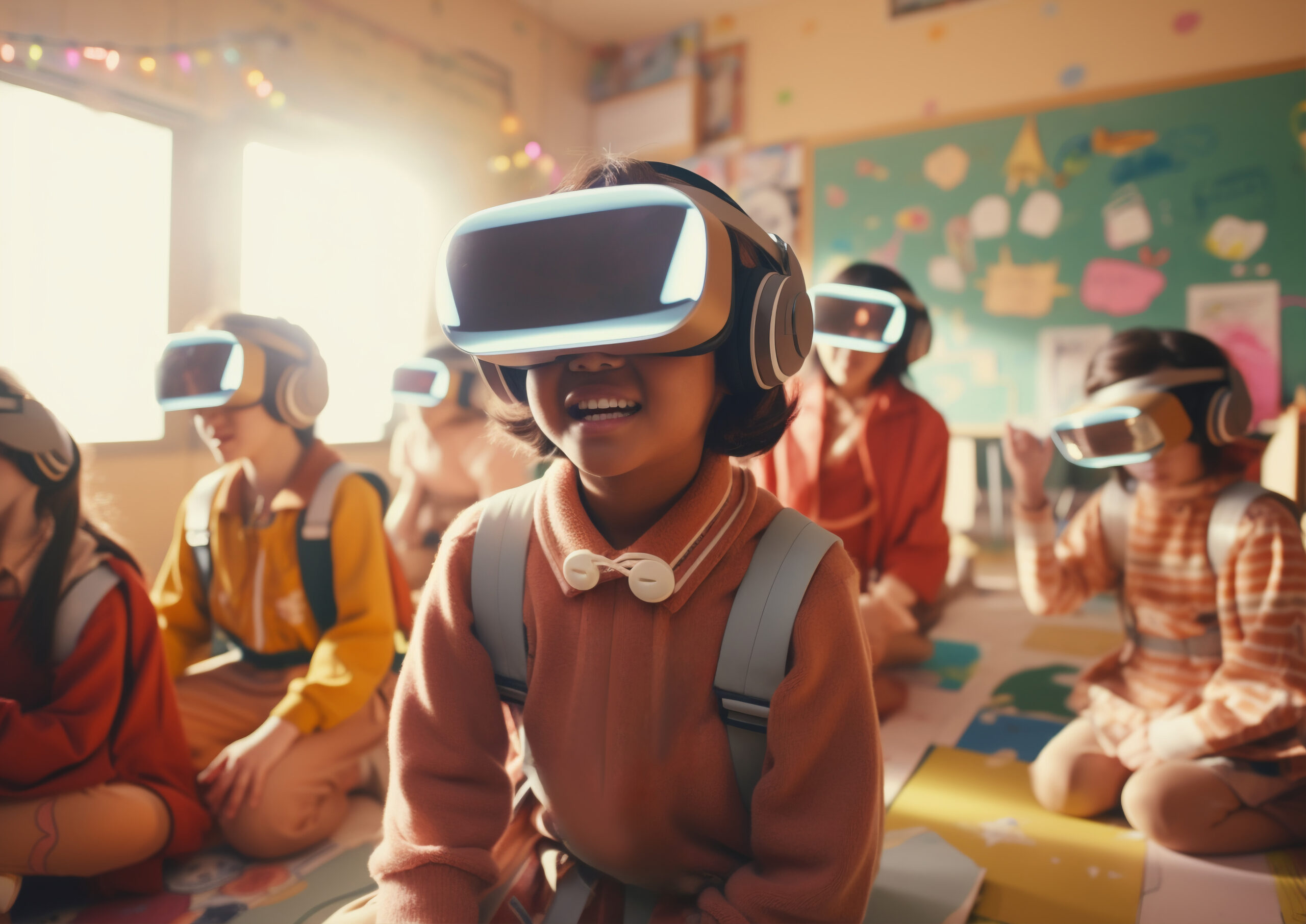
Virtual reality (VR) is changing the way students learn. This creates an immersive experience that makes education more interesting. Students can explore virtual environments instead of just reading books.
Students can, for example, visit historical sites using VR. They can also study science through 3D models. This makes learning more interactive and easier to understand. Visual learning helps students retain information longer.
VR also helps students understand complex subjects. Subjects such as biology and physics become easier when viewed in 3D. This improves the overall learning outcome.
Training and future opportunities
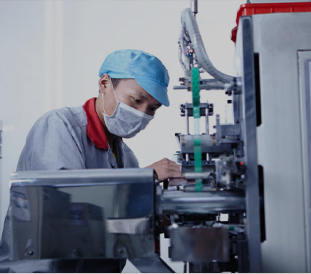
VR is also used in vocational training. Doctors, pilots and engineers use VR simulations to train skills. This reduces risk and improves performance.
Companies use VR to train employees. Employees can learn new skills in a secure virtual environment. This saves time and reduces training costs.
However, VR technology can be expensive. Not all schools and organizations can afford this. There are also concerns about long-term use and health effects.
Despite these challenges, VR is growing rapidly. The technology becomes more affordable every year. In the future, VR may become a common tool in classrooms.
Overall, VR improves education by making learning more practical, engaging and effective.