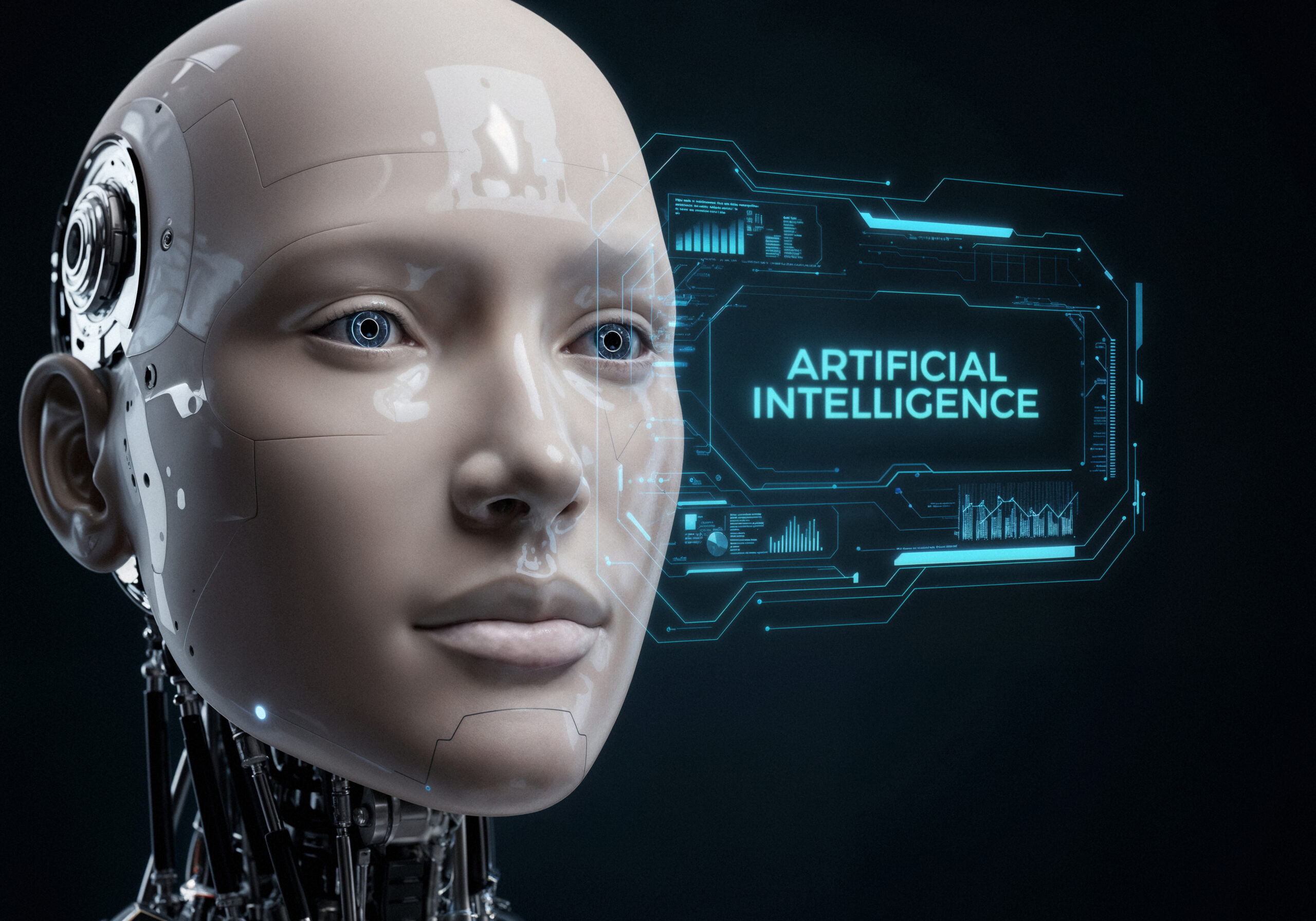

development of artificial intelligence
Artificial intelligence is growing rapidly in 2026. It is changing the way people work, communicate and solve problems. Many companies are now using AI tools to improve efficiency and reduce costs. These tools can handle repetitive tasks, analyze large amounts of data and provide quick insights. As a result, businesses become more productive and competitive.
AI is also transforming healthcare. Doctors use AI systems to detect diseases early and improve the accuracy of diagnosis. For example, AI can analyze medical images and identify health risks faster than traditional methods. In education, AI helps students learn better. Smart learning platforms provide personalized lessons and instant feedback. This makes learning more engaging and effective for students at all levels.
The other key area is customer service. Many companies are now using AI chatbots to handle customer queries. These systems work 24/7 and improve the user experience. AI is also used in finance, marketing and production. It helps companies make better decisions and reduce human error.
Challenges and future prospects
Despite its benefits, AI also creates challenges. A major concern is job displacement. Automation can replace some jobs, especially those involving routine tasks. Workers must adapt by learning new skills to remain relevant in the labor market.
Privacy is another important issue. AI systems collect large amounts of personal data. If not managed properly, this can pose a security risk. The authorities are now introducing regulations to ensure the ethical use of artificial intelligence. Companies must follow strict guidelines to protect users’ information.
Looking ahead, AI will continue to grow and develop. It will play a big role in everyday life. From smart homes to advanced robotics, AI will shape the future in many ways. Staying informed and adaptable will help individuals and businesses take advantage of this technology.